
As the new school year begins, one crucial subject is often overlooked in classrooms, emotional literacy. In a world where youth anxiety is on the rise and emotional well-being is at risk, integrating emotional education into the curriculum could have a transformative impact. This article explores why emotional literacy should be as essential as math or reading, and how it can empower students, parents, and educators to build healthier, more resilient communities.
The start of a new school year is marked by the smell of freshly sharpened pencils, the hum of crowded hallways, and backpacks filled with textbooks. Children return to classrooms ready to learn mathematics, grammar, and science. Yet one crucial subject is consistently missing from their timetable, the language of emotions.
What would shift if emotional literacy were treated as essential as reading or math? Imagine the ripple effect of teaching children to name, understand, and regulate their feelings, not only for their own well-being, but for the health of their relationships, families, and communities.
As someone who has spent 33 years in Children’s Services and now supports individuals worldwide as an energy healer, I’ve witnessed both the cost of ignoring emotional education and the power of reclaiming it. We live in a world where youth anxiety rates are climbing, social pressures are unrelenting, and many adults carry unresolved emotional wounds into their parenting and teaching roles.
The time has come to reimagine education and place emotional literacy at its core.
Related article: Why the Education System Is Emotionally Failing Our Children, and What We Can Do About It
Traditional education focuses on intellectual development while overlooking emotional development. Children learn equations and historical dates but rarely learn how to identify when they’re overwhelmed, process grief, or manage anger in healthy ways.
The result? Rising rates of depression, bullying, low self-esteem, and burnout that extend far beyond childhood. In my years working with families, I saw bright students crumble under the weight of unexpressed emotions. Many struggled not because they lacked intelligence, but because they lacked the tools to handle what life placed on their hearts.
We cannot separate academic success from emotional well-being. In fact, studies repeatedly show that emotional skills, resilience, empathy, and self-regulation are stronger predictors of lifelong success than standardized test scores. Yet these remain the “invisible curriculum” that most schools never teach.
Related article: Neurolanguage: Brain-Friendly Compassionate Communication For Education
So what exactly is emotional literacy? At its core, it is the ability to recognize, understand, name, express, and regulate emotions, both in oneself and in others.
It goes beyond simply knowing “I feel sad” to developing awareness of how that sadness affects thoughts, behaviors, and interactions.
From the lens of The Emotion Code (Dr. Bradley Nelson), we also know that unprocessed emotions can become energetically “trapped” in the body, contributing to physical tension, emotional dysregulation, and generational patterns of pain. Emotional literacy becomes more than a soft skill, it becomes a pathway to release what no longer serves us.
Modern approaches like Social Emotional Learning (SEL) confirm this need, but often stop at classroom exercises. True literacy requires integration, daily practices, embodied awareness, and a culture where emotions are valued rather than dismissed. Reiki, mindfulness, and grounding practices can serve as bridges between science and soul, reminding us that emotional wellness is as vital as physical health.
Related article: Emotional Recovery, Narrative Rewiring & Life Design
Emotional literacy isn’t only for children, it ripples through every generation.
When schools and families embrace emotional literacy, we stop seeing it as a “soft skill” and start recognizing it as a legacy skill. It is the foundation of healthier communities and stronger intergenerational bonds.
Related article: Resilient by Design – Emotional Architecture & the Neuroscience of Mental Strength
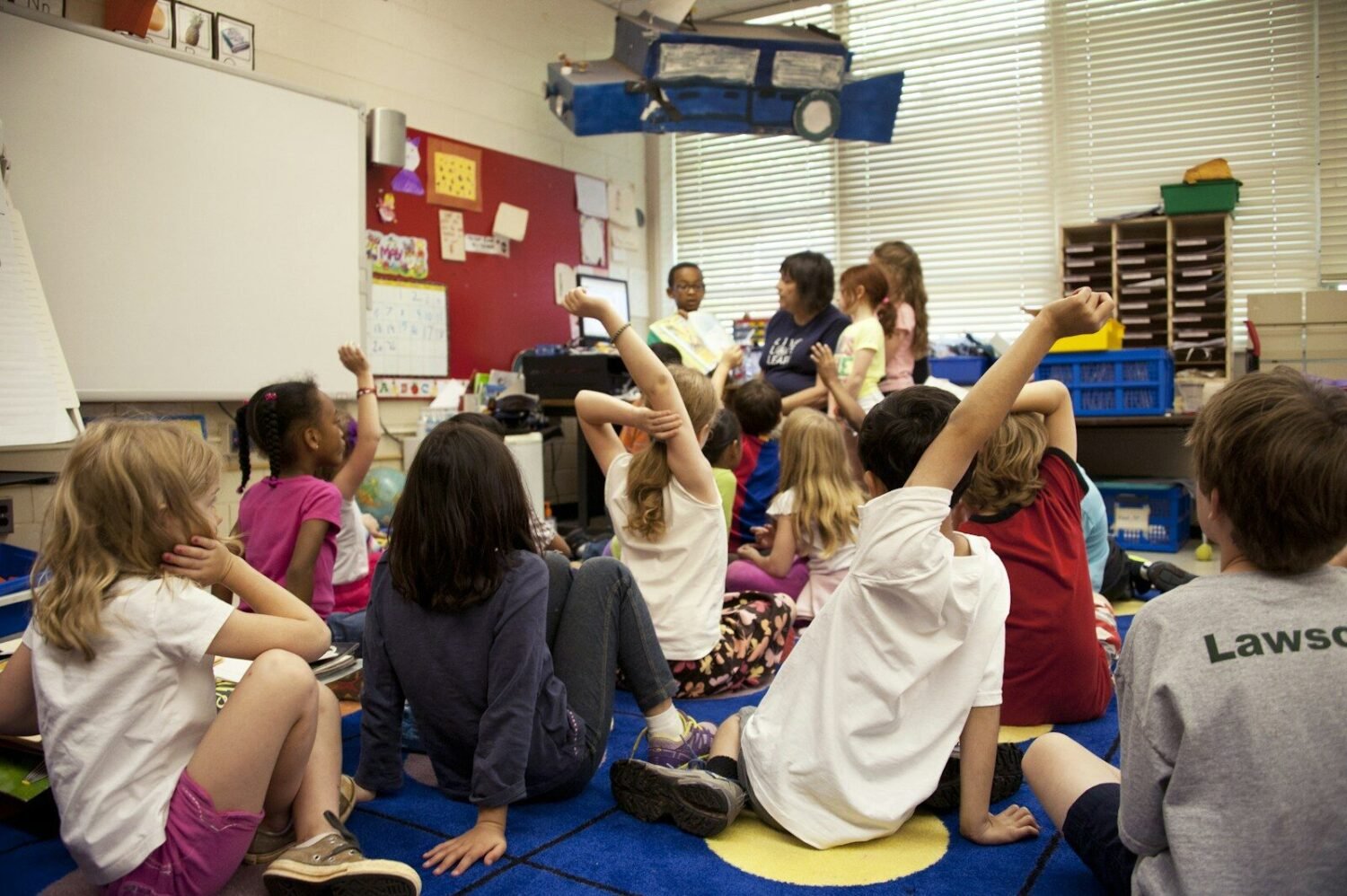
Now imagine a different kind of classroom. Children start their day not only with roll call but with an emotional check-in, “How are you feeling today?”
Before a big test, students pause for two minutes of mindful breathing. When conflict arises at recess, the discussion doesn’t end with punishment but with reflection on emotions and needs.
These are not lofty ideals. They are simple, practical shifts that can change lives. Emotional literacy could be integrated just like physical education or language arts. A classroom that values emotions is one where students thrive not only academically but socially, spiritually, and personally.
And the vision extends beyond school walls. These children grow into emotionally intelligent adults who lead workplaces with empathy, create healthier families, and respond to global challenges with clarity instead of fear.
Related article: The Back-to-School Effect – What Leaders Can Learn From Education About Renewal and Growth
While we wait for large-scale educational reform, the invitation is clear, start where you are.
You don’t need a degree in psychology to teach emotional literacy, you only need willingness, presence, and daily practice.
Related article: The Hidden Cost of Holding It All Together, and Is Your Burnout Trying to Protect You?
Our children’s backpacks should carry more than heavy textbooks. They should also carry the skills to lighten emotional burdens. Emotional literacy is not an optional add-on to education, it is the very foundation of human thriving.
As we reimagine education, we are called to envision classrooms where children are fluent in both algebra and empathy, in both history and hope.
When we teach the language of emotions, we raise not only smarter students but kinder, wiser humans.
Let this October be a reminder that it is time to add emotional literacy to the curriculum of life.
Read more from Sheila Marina