
By Sheila Marina, Planet of Peace Energy Healing
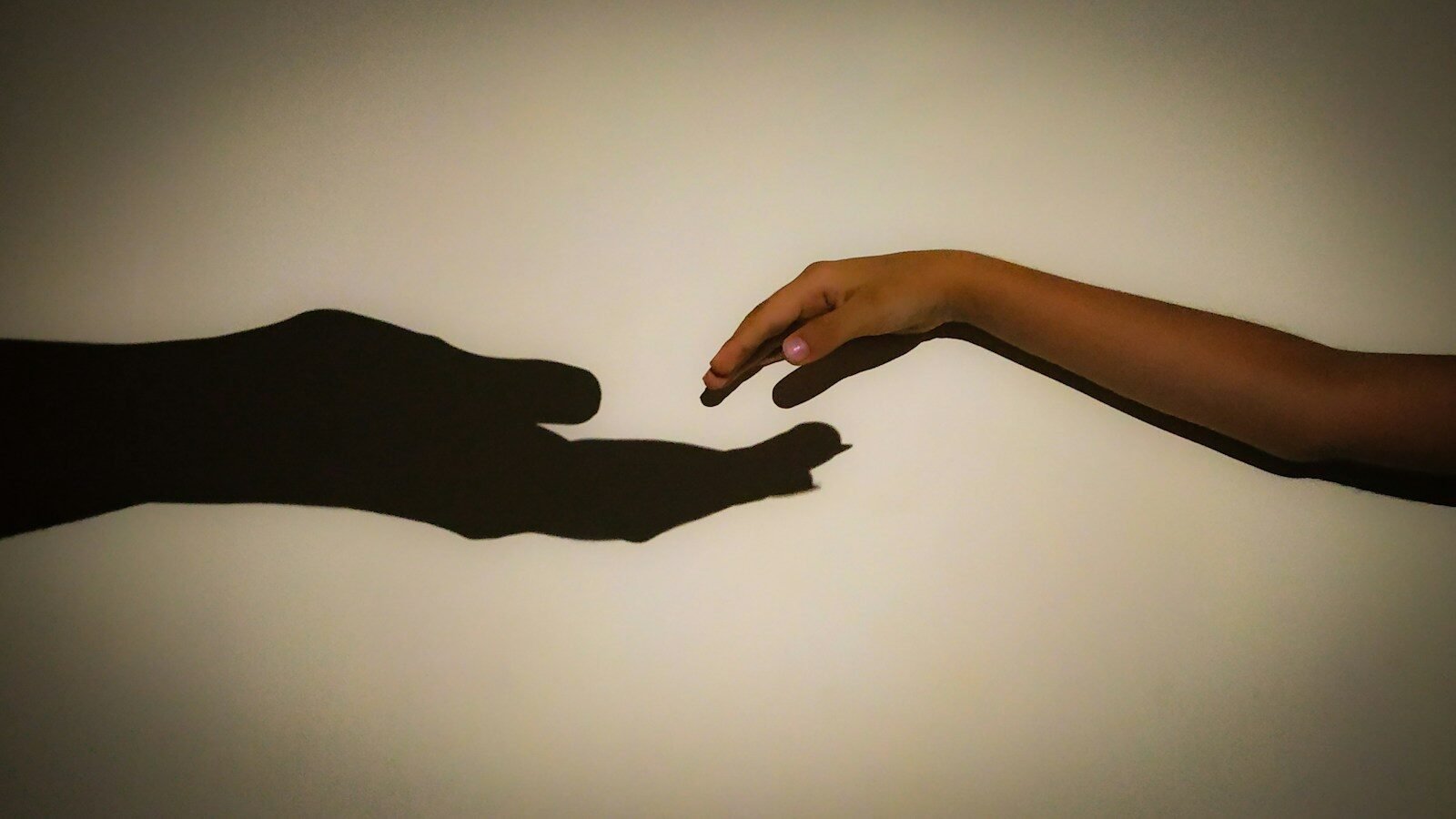
She was 23 years old. She had already spent more of her life caring for someone else than most people twice her age.
Her mother, living with depression so heavy she could rarely leave the couch, had needed someone to hold the household together. That someone became her daughter — a girl who, before she had the language to name what was happening, stepped into the role of caretaker for her younger brother, who was overly timid and struggling in his own way.
She did what needed doing. She made the meals. She managed the mornings. She created the stability that her mother’s depression had removed from the home. And she did it without complaint, without recognition, and without anyone asking whether she was okay — because people-pleasers rarely receive the question they most need to hear: who is taking care of you?
By the time she sat down in my office at 23, she had been diagnosed with fibromyalgia — a condition defined by widespread pain throughout the body, chronic fatigue, and a nervous system that has been operating in a state of sustained overload for so long that the body itself begins to hurt everywhere at once.
Her body was no longer whispering. It was speaking in the loudest language it had available: pain.
The instinct to prioritize others — to scan a room for what is needed, to offer before being asked, to absorb the emotional weight of the people around you — is almost always installed in childhood. It is a survival strategy, elegant in its logic and devastating in its long-term cost.
A child who grows up in a home where a parent is emotionally unavailable — through depression, through addiction, through absence, through volatility — learns very quickly that their safety depends on their usefulness. The child becomes the steady one. The reliable one. The one who holds things together. The one who earns belonging through service rather than simply receiving it by existing.
This is people-pleasing at its origin: a nervous system that learned, before conscious memory, that love is conditional on output. That rest is selfish. That your needs are secondary to the needs of the person whose stability determines your own safety.
The strategy works. The child survives. The household functions. And the pattern — the automatic, reflexive prioritizing of others at the expense of the self — becomes the operating system for the next two, three, four decades. By the time the child is an adult, the people-pleasing feels like personality. It feels like generosity. It feels like who they are.
It is who they became in order to be safe. And their body has been paying the invoice ever since.
Using the Emotion Code, we identified the trapped emotions her body had been carrying — each one a layer of the pattern she had been living inside since childhood.
Shame. The feeling that something about her situation — a mother on the couch, a household held together by a child — was her responsibility to hide. Shame told her: present well. Let no one see what is actually happening. Carry this privately.
Guilt. The companion to shame. Guilt told her that any moment of rest, any prioritizing of her own needs, any impulse toward self-care was a betrayal of the people depending on her. Guilt is the emotion that keeps the people-pleaser locked in the cycle — because the moment they pause, the guilt arrives to tell them they are failing someone.
Lack of Control. An unsettling emotion that arises when you feel unable to influence yourself, your circumstances, or the direction of your life. For a child whose mother’s depression determined the emotional weather of the household, this emotion was constant. She could not control her mother’s state. She could only control her own usefulness — and so usefulness became the only form of agency available.
Taken for Granted. The inevitable result of sustained, unacknowledged service. She gave. And gave. And the giving was absorbed as simply what she did — her role, her function, her reason for being in the room. The exhaustion that followed was the well running dry — and no one noticing because they had never seen it as a well in the first place.
When the trapped emotions were released, we moved to the Belief Code. Her crown chakra — the energy centre of purpose, spiritual connection, and the highest expression of self — delivered a message that landed with quiet power:
“I am discovering more about who I am.”
This statement arrived for a 23-year-old woman who had spent her entire conscious life defined by her role: caretaker, manager, the responsible one, the one who holds it together. She had never had the space — energetically, emotionally, or practically — to ask the most fundamental question of young adulthood: who am I, apart from what I do for others?
The crown chakra was telling her that the discovery was beginning. That the release of shame, guilt, lack of control, and taken for granted had opened a space that had never existed before — a space where identity could be explored rather than assigned.
She was 23. And for the first time, she had permission to find out who she was when she was not performing usefulness for someone else.
I want to be clear: fibromyalgia is a complex condition with multiple contributing factors, and I am speaking from my experience as an energy healing practitioner rather than as a medical professional.
What I have observed, consistently, in clients with fibromyalgia is this: the body is in a state of sustained, system-wide overload. The nervous system has been carrying so much, for so long, that the pain has become generalized — no longer localized to a specific area or a specific cause, but spread throughout the entire body as a persistent, low-grade signal that says: I am full. I cannot hold any more.
For people-pleasers specifically, fibromyalgia often represents the body’s final escalation. The body whispered through fatigue. It spoke through tension in the shoulders. It raised its voice through digestive disturbance and sleep disruption. And when none of those signals were received — because the people-pleaser’s attention was directed outward, always outward, toward the needs of everyone else — the body began speaking through the only channel left: widespread pain that cannot be ignored.
The pain is not punishment. It is communication. And it is worth listening to with the same care the people-pleaser has always offered everyone else — finally directed inward.
This practice takes two minutes. It is designed specifically for the person who has spent their life caring for others and has forgotten — or never learned — how to direct that same quality of attention toward themselves.
Sit down. Place both hands on your own shoulders — gently, the way you would comfort a child who has been carrying too much.
Breathe slowly. And say, aloud:
I have been carrying this for a long time.
I am allowed to set some of it down.
My needs are as real as anyone else’s.
I am discovering more about who I am — and who I am is enough, even at rest.
Notice how your body responds to these words. The people-pleaser’s nervous system has been trained to reject this kind of self-directed care — it may feel uncomfortable, indulgent, or even wrong. That discomfort is the old programme encountering a new instruction. Speak the words anyway. Each repetition creates a new neural pathway — one that says: I am allowed to receive the same care I give.
If you recognize yourself in this post — in the automatic giving, the invisible exhaustion, the body that hurts everywhere because it has been carrying everyone — the pattern has roots. And those roots can be identified and released with precision and care.
My article Burnout, Boundaries, and the Body — How Energy Healing Supports Nervous System Recovery explores how the nervous system holds the cost of sustained over-giving and what becomes possible when the root is finally addressed.
When you are ready, sessions are available in person in Bowmanville and Toronto, and worldwide via Zoom.
You have been everything for everyone. You are allowed to discover who you are for yourself.
That discovery is already underway.
Sheila Marina is the founder of Planet of Peace Energy Healing and a certified Emotion Code, Body Code, and Belief Code Practitioner with over three decades of experience helping people understand what they carry — first in Children’s Services and now in energy healing. She sees clients in person in Bowmanville and Toronto, and worldwide via Zoom. planetofpeace.org