
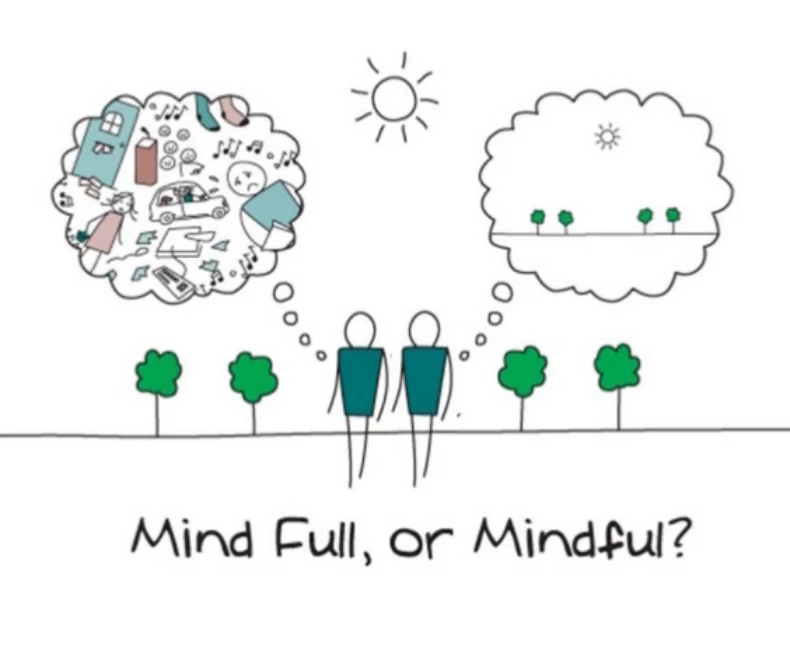
In our fast-paced, ever-connected world, the concepts of “mindful” and “mind-full” often come into play, presenting two distinct approaches to how we handle our mental and emotional lives. Understanding the difference between being mindful and having a mind full can significantly impact our well-being, productivity, and overall quality of life.
What Does It Mean to Be Mindful?
Mindfulness is a state of active, open attention to the present moment. When you’re mindful, you observe your thoughts and feelings without judging them good or bad. Instead of letting life pass you by, mindfulness means living in the moment and awakening to your current experience, rather than dwelling on the past or anticipating the future.
Benefits of Mindfulness:
• Reduced Stress: Mindfulness practices, such as meditation, have been shown to decrease stress by promoting relaxation and enhancing emotional regulation.
• Improved Focus: By training your mind to concentrate on the present moment, you enhance your ability to maintain attention and productivity.
• Enhanced Emotional Health: Mindfulness can improve your overall mental health by increasing your awareness of your emotional states and helping you manage them more effectively.
• Better Relationships: Being present in conversations can lead to deeper and more meaningful connections with others.
The Reality of Being Mind-Full
In contrast, having a “mind full” refers to a state where your thoughts are cluttered with an overwhelming number of concerns, tasks, and distractions. This state of mind is often characterized by anxiety, stress, and a feeling of being overwhelmed by life’s demands.
Consequences of a Mind-Full State:
• Increased Stress and Anxiety: A mind full of worries and tasks can lead to chronic stress and anxiety, impacting your physical and mental health.
• Decreased Productivity: When your mind is overloaded, it becomes difficult to focus on one task at a time, reducing your overall efficiency and effectiveness.
• Poor Emotional Regulation: Constant mental clutter can make it harder to process and respond to emotions healthily, leading to mood swings and irritability.
• Strained Relationships: Being mentally preoccupied can prevent you from being fully present in interactions with others, leading to misunderstandings and weakened relationships.
Bridging the Gap: Strategies to Shift from Mind-Full to Mindful
- Practice Mindfulness Meditation: Set aside a few minutes each day to sit quietly and focus on your breath. Notice when your mind wanders and gently bring it back to your breathing.
- Engage in Mindful Activities: Incorporate mindfulness into daily activities like eating, walking, or even washing dishes. Pay attention to the sensations and experiences involved in these tasks.
- Limit Multitasking: Focus on one task at a time. Multitasking often leads to a scattered mind and decreased productivity.
- Set Boundaries: Create boundaries between work and personal time. Allow yourself to disconnect from work-related thoughts when you’re off the clock.
- Reflect and Journal: Take time to reflect on your day and journal your thoughts. This can help you process your emotions and clear mental clutter.
- Digital Detox: Reduce your screen time, especially on social media and other platforms that contribute to information overload.
Conclusion
The distinction between being mindful and having a mind full is more than just semantics; it is a fundamental difference in how we experience and interact with the world around us. By striving to be more mindful, we can cultivate a sense of calm and presence, reducing stress and enhancing our overall quality of life. Embracing mindfulness can transform the way we think, feel, and connect with others, leading to a more balanced and fulfilling existence.
Energy Healing with Sheila Marina
As an energy healer, I am committed to guiding you on this path of self-discovery and healing. Together, we can explore personalized techniques and practices that resonate with your unique needs and goals. From Reiki and chakra balancing to meditation and visualization exercises, there are countless ways to tap into the healing power of energy.
I invite you to take the next step in your wellness journey by reaching out and scheduling a session with me at Planet of Peace Energy Healing. Embracing energy healing is not just about addressing physical symptoms; it’s about cultivating a deeper connection with yourself and tapping into your innate ability to heal and thrive.
Peace and Blessings for your journey through this life.