
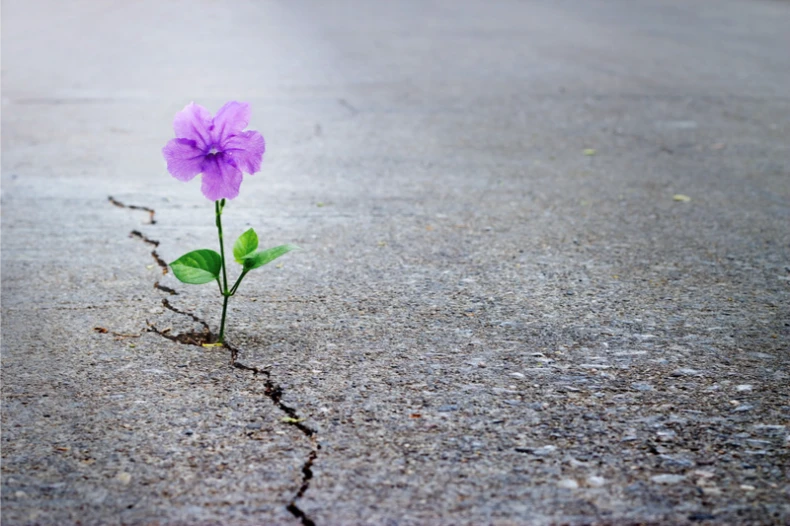
Trauma, in its myriad forms, leaves an indelible mark on the human psyche. Whether it stems from personal loss, abuse, disaster, or other life-altering events, trauma disrupts our sense of self, shattering the identity we once knew. In the wake of such profound disruption, many find themselves standing at a crossroads, faced with a profound need to recreate themselves. This journey, often born from pain and necessity, is not merely about survival but about transformation and rebirth.
The Aftermath of Trauma
Trauma’s immediate aftermath is often characterized by chaos and confusion. The familiar becomes alien, and the world feels fundamentally altered. This disorientation is not just external but deeply internal. The person you once were seems distant, and the life you lived feels like a relic from another time. This disconnect can be overwhelming, but it also sets the stage for a powerful, albeit painful, metamorphosis.
The Catalyst for Change
Trauma compels us to confront our vulnerabilities, fears, and limitations head-on. This confrontation, while daunting, is the first step towards recreating ourselves. It’s in these darkest moments that the seed of transformation is planted. The need to make sense of the trauma, to find a new equilibrium, propels us to redefine who we are.
- Embracing Vulnerability: Trauma exposes our most raw and vulnerable selves. This exposure, though terrifying, strips away pretenses and forces us to acknowledge our true emotions and desires. In embracing this vulnerability, we lay the groundwork for genuine self-discovery and authenticity.
- Seeking Meaning and Purpose: In the throes of trauma, many grapple with existential questions. Why did this happen? What does it mean for my future? These questions, though initially paralyzing, often lead to a quest for deeper meaning and purpose. This search can be transformative, guiding us towards new passions, values, and goals that redefine our identity.
The Process of Recreating Yourself
Recreating yourself after trauma is neither linear nor swift. It is a gradual process that involves several stages: - Acknowledgement and Acceptance: The first step is acknowledging the trauma and its impact. Denial may offer temporary solace, but true healing begins with acceptance. Recognizing the reality of the trauma allows you to confront it head-on and begin the process of integration.
- Letting Go of the Past: Holding onto past identities and experiences can hinder growth. Letting go doesn’t mean forgetting but rather releasing the hold that the past has on your present. This involves forgiving yourself and others, and allowing yourself to move forward.
- Exploring New Possibilities: Trauma can serve as a powerful motivator to explore new facets of yourself. This could mean pursuing new interests, forming new relationships, or embarking on a new career path. The exploration is an essential part of recreating yourself, helping you discover strengths and passions you never knew you had.
- Building Resilience: Resilience is the cornerstone of transformation. It’s about developing the mental, emotional, and sometimes physical strength to not only withstand future challenges but to thrive in spite of them. This resilience is built through self-care, therapy, support systems, and continuous personal growth.
The Outcome: A New You
The person who emerges from the crucible of trauma is often remarkably different from the one who entered it. This new self is forged through pain but also through profound growth and insight. The process of recreating yourself is about more than just overcoming adversity; it’s about evolving into a stronger, more authentic version of yourself.
Conclusion: The Power of Rebirth
Trauma, though devastating, can be a powerful catalyst for change. It strips us down to our core, forcing us to confront who we are and who we want to be. In this confrontation lies the potential for profound transformation. By acknowledging our pain, letting go of the past, exploring new possibilities, and building resilience, we can recreate ourselves in ways that not only heal our wounds but also uncover our true potential. The journey is arduous, but the outcome—a new, empowered self—is a testament to the incredible strength and adaptability of the human spirit.
In the end, trauma does not define us; how we respond to it does. The process of recreating yourself after trauma is the ultimate act of self-empowerment and rebirth.
Energy Healing with Sheila Marina
As an energy healer, I am committed to guiding you on this path of self-discovery and healing. Together, we can explore personalized techniques and practices that resonate with your unique needs and goals. From Reiki and chakra balancing to meditation and visualization exercises, there are countless ways to tap into the healing power of energy.
I invite you to take the next step in your wellness journey by reaching out and scheduling a session with me at Planet of Peace Energy Healing. Embracing energy healing is not just about addressing physical symptoms; it’s about cultivating a deeper connection with yourself and tapping into your innate ability to heal and thrive.
Peace and Blessings for your journey through this life.